After displacement: rebuilding routines
A forced move, whether because of war, disaster or eviction, means losing a home, a familiar community and often a job at the same time. It naturally affects sleep, mood, eating and loneliness.
This collection offers simple, evidence-based steps: restoring a routine, supporting yourself through grief, eating well on a budget and gradually building new connections.
Stress, loss and adjustment
 Stress
Grief and loss: what is normal and when to seek help
How most people adapt to loss, what prolonged grief disorder is, who is at higher risk and which treatments help.
StressResilience after trauma: most people recover
What research shows about the common paths after traumatic events, why resilience is the norm and what supports recovery.
 Stress
Self-compassion: how to treat yourself with kindness
What self-compassion is, what a meta-analysis and a randomized trial of the Mindful Self-Compassion program found, and a simple self-compassion break.
 Stress
News and anxiety: how to stay informed without burning out
Why hours of distressing news coverage are linked to acute stress, what studies found after the Boston Marathon bombing and COVID-19, and rules for healthy news habits.
 Stress
Breathing exercises for stress: what works according to research
What a meta-analysis of breathwork trials found, how slow breathing and cyclic sighing affect mood, and three simple techniques to try.
WHO-5 Well-Being Index
5 statements about how you have been feeling over the past 2 weeks.
QuizGAD-7: anxiety screening questionnaire
7 questions about anxiety over the past 2 weeks.
QuizSelf-Compassion Scale, short form (SCS-SF)
12 statements about how you treat yourself in difficult times.
PDF · PlanMy coping plan for hard days
A personal plan: early warning signs, what helps, who to call and crisis numbers.
PDF · Card + planHealthy news habits: rules and plan
Rules for news consumption and a personal "news window" plan.
PDF · TrackerMonthly mood, energy and sleep tracker
Rate your mood, energy, anxiety and sleep daily on a 1–5 scale.
Sleep and routine in a new place
 Sleep · Guide
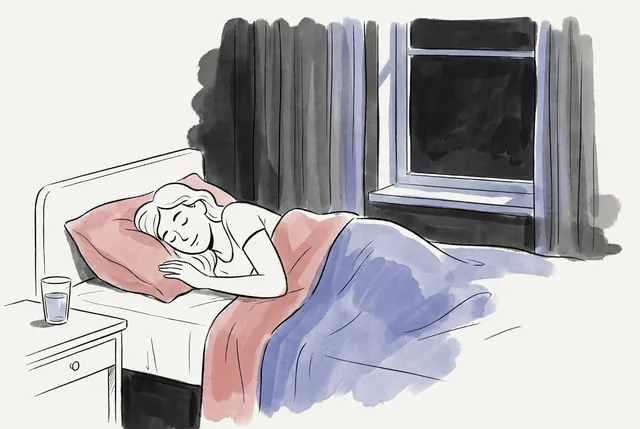
Sleep: how much do adults need and why it matters for health
How much sleep adults need according to sleep medicine experts, how short and very long sleep are linked to health and what works for insomnia.
 Sleep
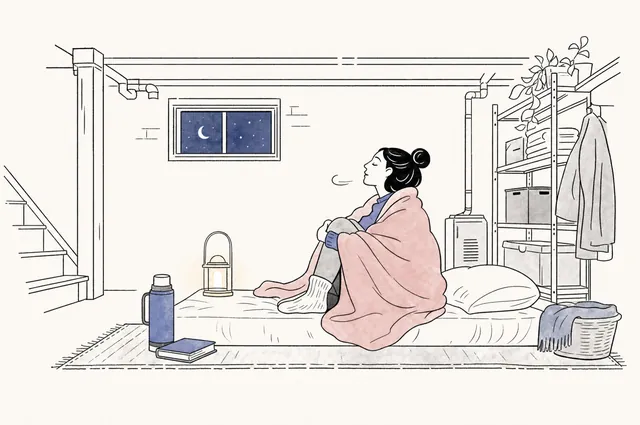
Sleeping through stressful times: how to recover when nights are restless
How stress, emergencies and anxious news cycles disrupt sleep, and habits that help you recover: a steady wake time, daylight, limiting news and relaxation.
 Sleep
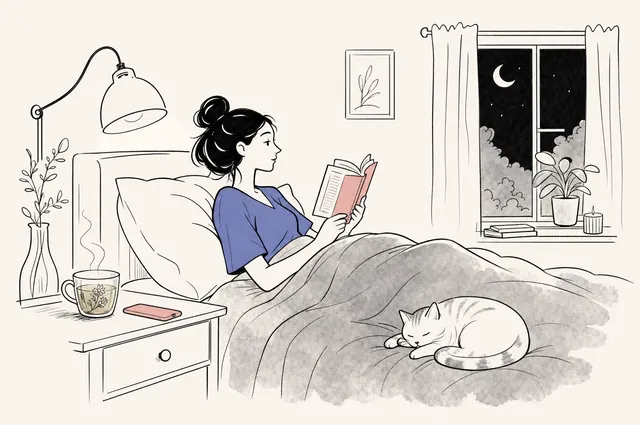
A bedtime routine for better sleep: what really helps
Which sleep hygiene habits are backed by research, why screens delay sleep, a 60-minute wind-down routine and when a routine alone is not enough.
 Sleep
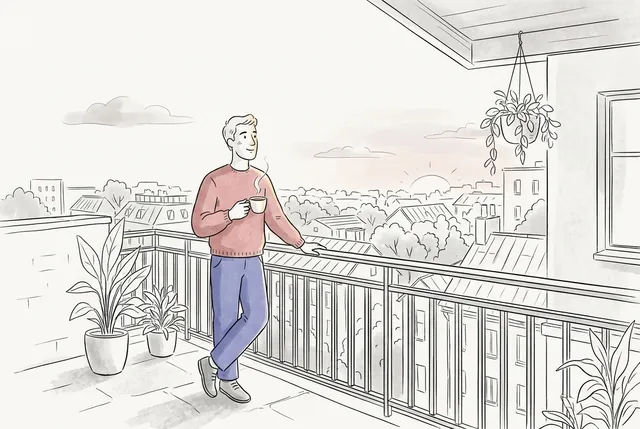
Light and your body clock: how to reset your sleep schedule
Why light is the main signal for your circadian rhythm, what studies show about morning light, camping and evening screens, and how to use light to sleep better.
How much sleep do you need? Recommendations by age
Recommendations from the American Academy of Sleep Medicine and the National Sleep Foundation.
QuizSleep hygiene: check your habits
8 habits with scientific support.
PDF · ChecklistBedtime routine checklist
A step-by-step wind-down routine with a weekly tracker.
PDF · ChallengeChallenge: 30 days of a consistent wake time
The simplest change for better sleep: a regular wake time.
Simple, affordable nutrition
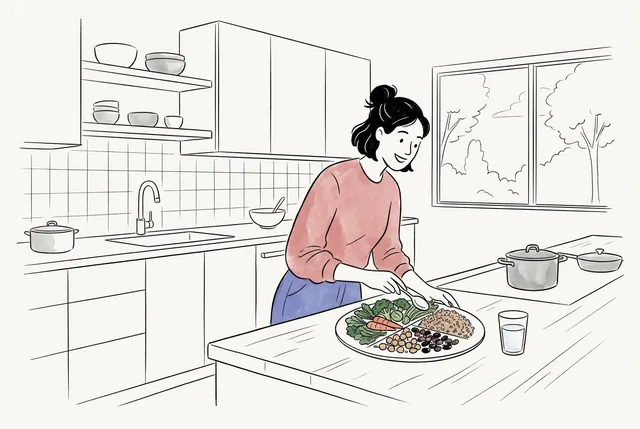 Nutrition
How to build a healthy plate: a simple method for every day
The plate method in plain English: half vegetables and fruit, a quarter whole grains, a quarter protein. Why it works and how to use it without counting calories.
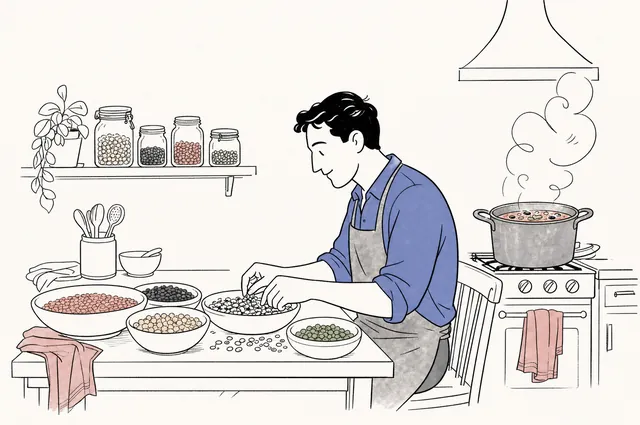 Nutrition
Beans and legumes: an underrated source of protein and fiber
Why beans, lentils and chickpeas deserve a regular place on your plate: protein, fiber, LDL cholesterol and easy ways to eat more without the gas.
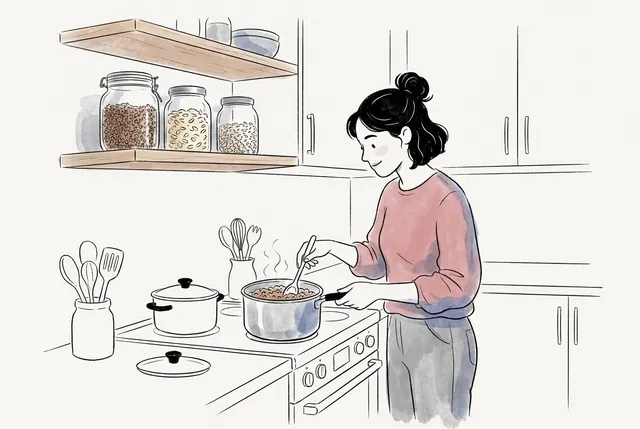 Nutrition
Whole grains: oats, brown rice, barley and heart health
What a BMJ meta-analysis found about whole grains, heart disease and longevity, and how to tell whole-grain products from refined ones on the label.
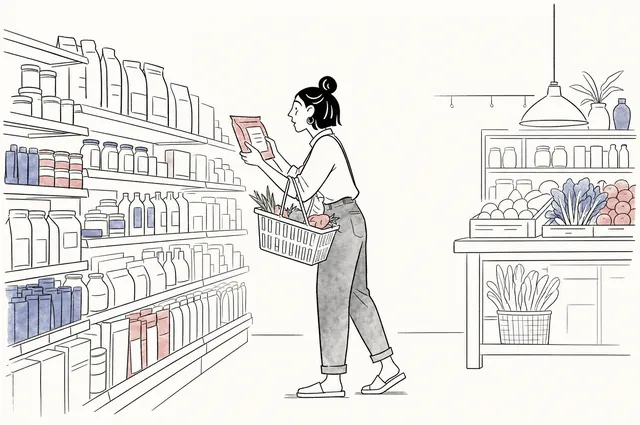 Nutrition
How to read a Nutrition Facts label: 5 things to check
A one-minute guide to the U.S. Nutrition Facts label: serving size, % Daily Value, sodium, added sugars, fiber and the ingredient list, plus common packaging traps.
 Nutrition
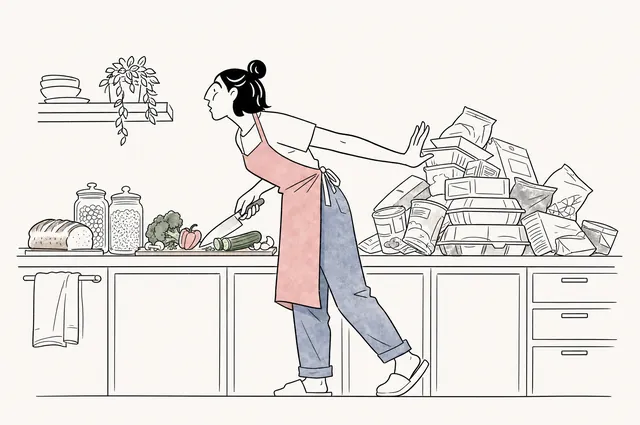
Ultra-processed foods: why it pays to eat fewer of them
What ultra-processed foods are, what a NIH randomized trial and an umbrella review of nearly 10 million people found, and how to spot them on the label.
How many fruits and vegetables do you eat? Calculator
Compared with the WHO minimum (400 g) and the optimum from a meta-analysis (about 800 g).
PDF · PlannerWeekly meal planner using the plate method
A 7-day planner with plate-method prompts and space for your grocery list.
PDF · ChecklistHealthy grocery list
A grocery checklist by food group, with blank lines for your own items.
New connections and community
 Social Connection
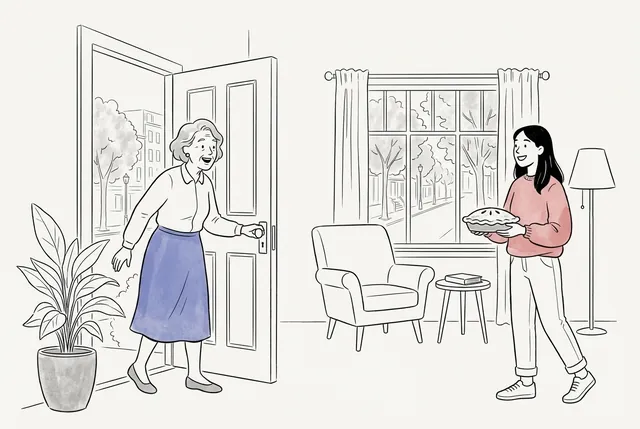
Loneliness as a health risk: what you should know
How loneliness and social isolation are linked to mortality, heart disease and stroke, who is most at risk and what helps.
 Social Connection
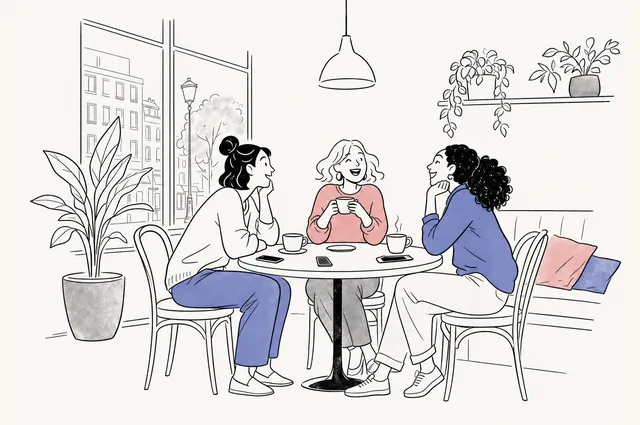
Friendship in adulthood: how many hours it takes to make a friend
What research shows about the hours it takes to turn an acquaintance into a close friend, why friendship matters for health and how to build it.
Social ConnectionNeighbors and community: how neighborhood cohesion is linked to heart health
What a study of 5,000 U.S. adults found about neighborhood social cohesion and heart attack risk, and simple ways to strengthen your community.
 Social Connection
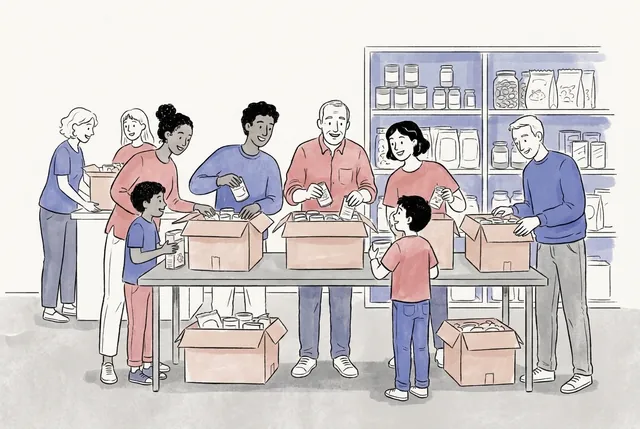
Volunteering and health: how helping others affects you
What systematic reviews and meta-analyses show about volunteering, depression, life satisfaction and mortality, and how to start without burning out.
Social ConnectionHow to ask for help: we underestimate how willing others are
What experiments found about how much we underestimate people’s willingness to help, why direct requests work better and how to ask.
Social ConnectionFaith communities and health: what studies show
What a study of 74,000 U.S. nurses found about attending religious services and mortality, possible explanations and why the findings are about community, not one belief.
Three-item loneliness scale (UCLA-3)
Three questions used in major U.S. studies of loneliness.
QuizHow much connection is in your week? Self-check
A quick look at how often you connect in person and online.
PDF · Plan"Find your community" plan
A worksheet for choosing and planning group activities.
PDF · WorksheetMy connections map
A worksheet for mapping your social network and planning contact.
Children
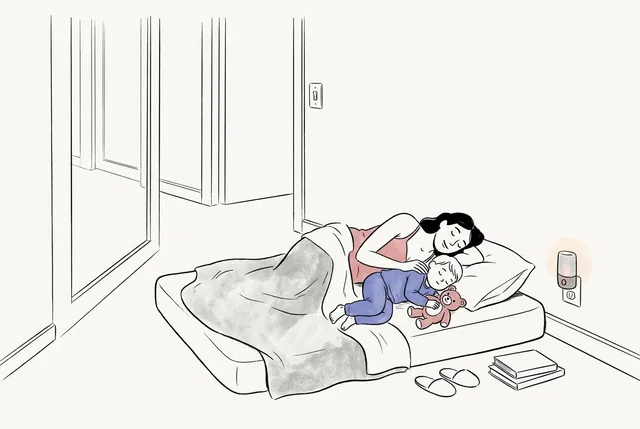 Sleep
Helping children sleep after frightening events and emergencies
How to help a child sleep after a disaster, emergency or scary news, what to do about nightmares, why a bedtime routine matters and when to get professional help.
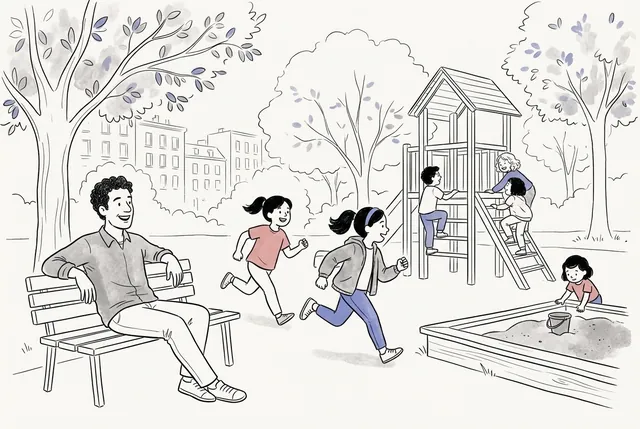 Physical Activity
Kids and physical activity: how much they need and how to limit screens
How much physical activity children and teens need according to U.S. and WHO guidelines, why it matters and practical ideas for families.
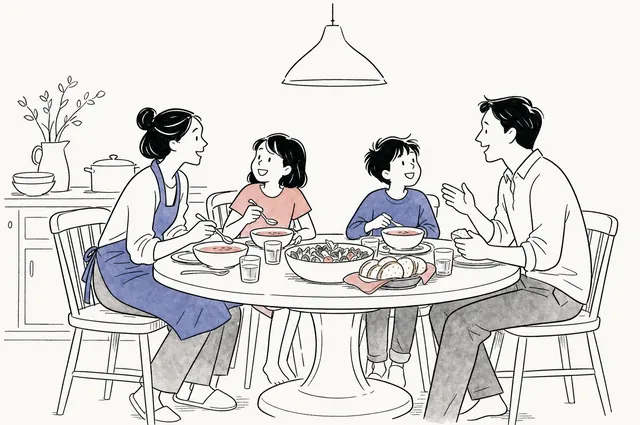 Social Connection
Family meals: why eating together matters for health
What meta-analyses show about family meals, children’s weight, healthy eating and disordered eating, and how to make shared meals happen.
Social ConnectionPositive childhood experiences: how they protect adult mental health
What a study of 6,000 adults found about positive childhood experiences, depression and relationships, and what parents and other adults can do.
Frequently asked questions
Why am I so tired even when I am not doing much?
Adjusting to a new place, uncertainty and loss take a lot of energy. That is normal. A regular routine, movement, sleep and support from others help.
How do I make friends in a new place?
Regularity matters more than initiative: go to the same places, such as a library, gym, volunteer center or faith community, and connections tend to form naturally.