A pillar of lifestyle medicine
Physical Activity
How much movement you really need and how to fit it into an ordinary day, no gym required. It is one of the six pillars of lifestyle medicine: regular physical activity.
Start here
Guide
Physical activity: how much exercise do adults need?
The Physical Activity Guidelines for Americans in plain English: 150 to 300 minutes of moderate activity a week, muscle strengthening and why every minute counts.
All articles
 Myth or fact
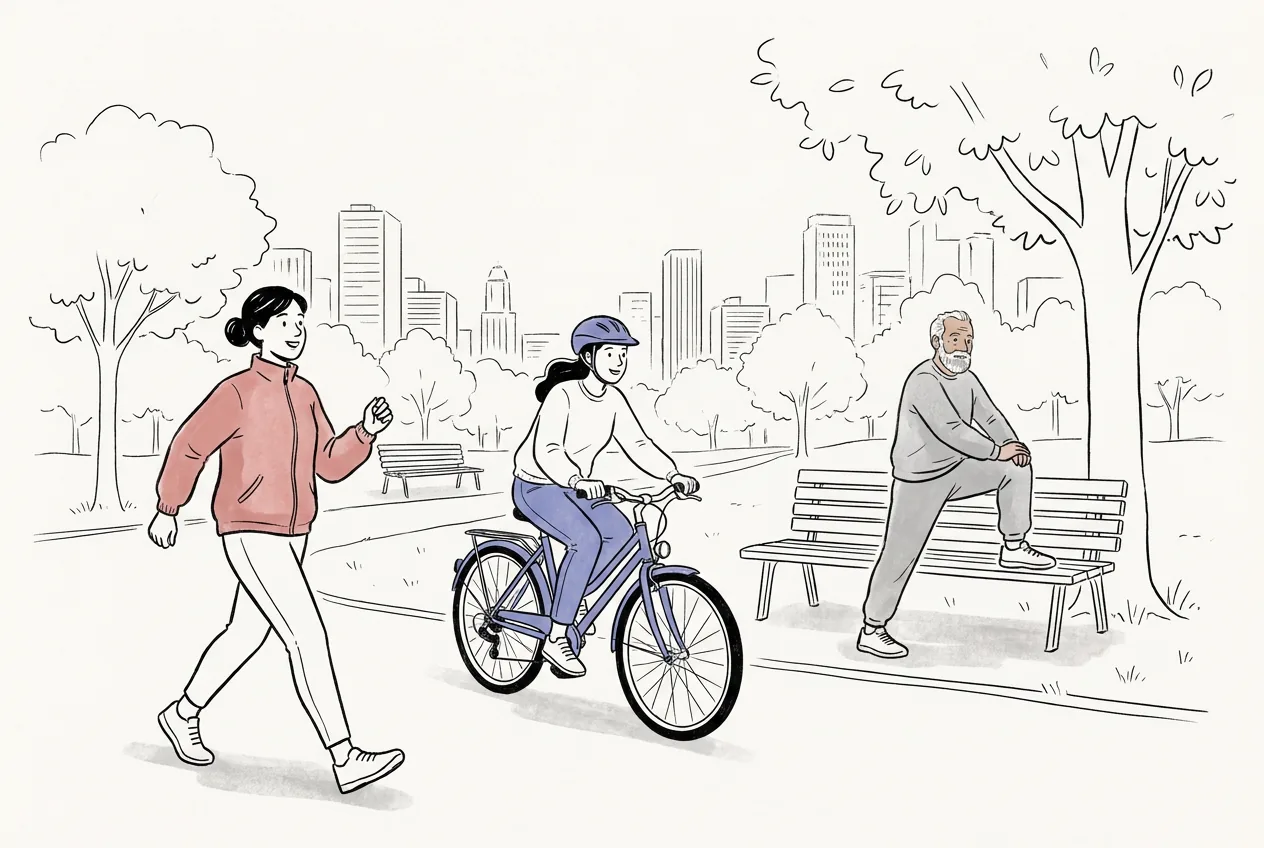
Do you really need 10,000 steps a day? What the research says
Where the 10,000-step goal came from and what meta-analyses show about daily steps and mortality by age, including where benefits level off.
 Physical Activity
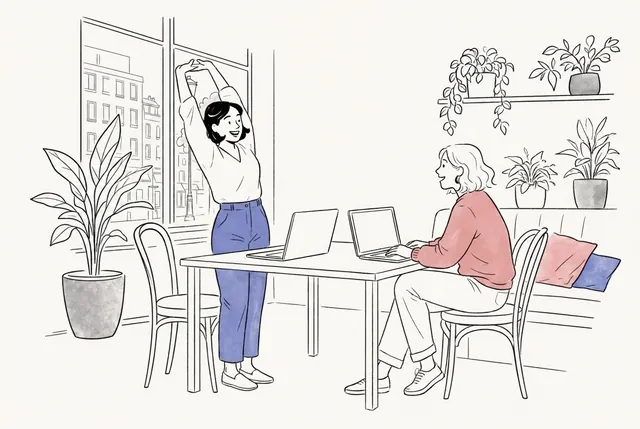
Sitting too much: the health risks of a desk job and how to offset them
Why prolonged sitting is linked to higher mortality even in people who exercise, how much activity offsets it and simple habits for the workday.
 Physical Activity
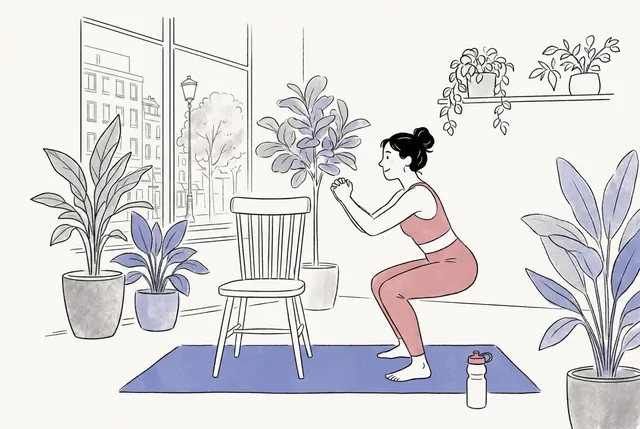
Strength training at home in 15 minutes: why and how
Why guidelines recommend muscle strengthening twice a week, what a meta-analysis found about strength training and longevity, and a 15-minute no-equipment routine.
 Physical Activity
Walking: the simplest exercise with proven benefits
What meta-analyses show about walking, heart disease and longevity, how fast and how much to walk and easy ways to walk more every day.
 Physical Activity
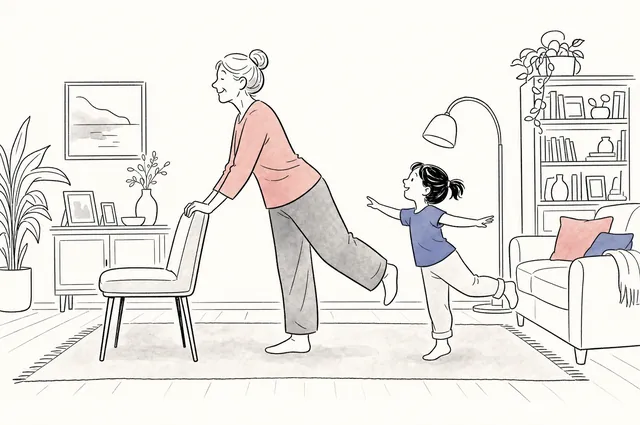
Exercise after 60: strength, balance and fall prevention
Why strength and balance matter most after 60, what a Cochrane review found about exercise and falls and a safe home routine to get started.
 Physical Activity
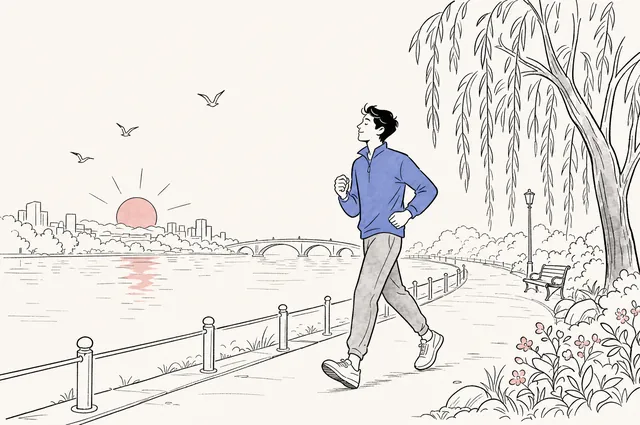
Exercise and mood: how physical activity helps with depression and anxiety
What reviews of meta-analyses show about exercise for depression, anxiety and distress, which types of exercise work best and how to start when you have no energy.
 Physical Activity
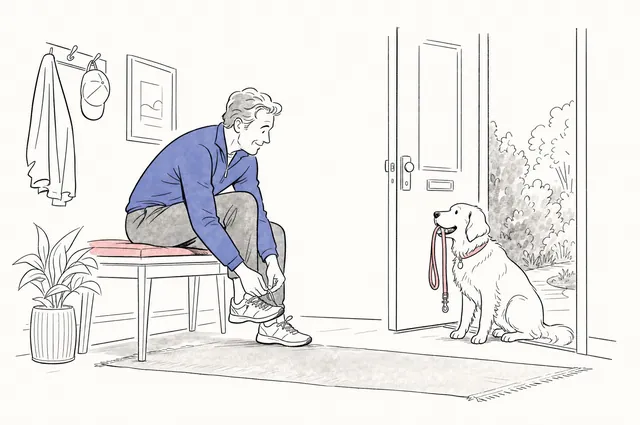
How to start exercising if you have not moved in a long time
Why the biggest health gains come from going from no activity to some, what a study of 660,000 people found and a gentle 4-week plan to start.
Myth or factMyth or fact: exercise only counts if you work out for an hour
Is a short workout a waste of time? What studies with objective activity tracking show and why the guidelines dropped the 10-minute minimum.
Physical ActivityShort, intense workouts: HIIT and "exercise snacks"
What meta-analyses show about HIIT and fitness, and why even 1- to 2-minute bursts of vigorous activity during the day are linked to lower mortality.
 Physical Activity
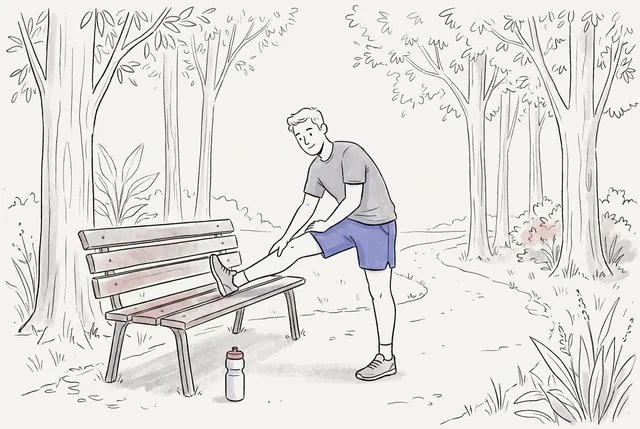
Stretching: benefits, myths and how to do it right
Does stretching prevent injuries? What a systematic review found about static stretching, performance and injury risk, and how to warm up properly.
 Physical Activity
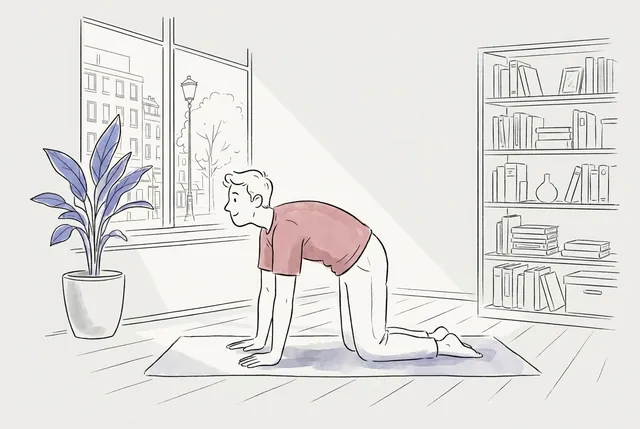
Low back pain: why staying active beats bed rest
Why guidelines recommend staying active for nonspecific low back pain, what Cochrane reviews show about exercise, and when imaging is really needed.
 Physical Activity
Yoga: what is proven for mood and back pain
What meta-analyses and Cochrane reviews show about yoga for depression and chronic low back pain, why it may work and how to get started.
 Physical Activity
Biking and walking to work: active commuting and health
What a UK study of more than 260,000 commuters found about cycling and walking to work, heart disease and mortality, and how to start safely.
Physical ActivityExercise and type 2 diabetes: prevention and control
How the U.S. Diabetes Prevention Program cut diabetes risk by 58%, what the American Diabetes Association recommends and practical steps to get started.
 Physical Activity
Exercise during pregnancy: safe and beneficial
How much physical activity is recommended during pregnancy, how it lowers the risk of gestational diabetes and preeclampsia, and how to stay active safely.
 Physical Activity
Kids and physical activity: how much they need and how to limit screens
How much physical activity children and teens need according to U.S. and WHO guidelines, why it matters and practical ideas for families.
Physical ActivityGrip strength: a simple marker of health
What the PURE study of nearly 140,000 people found about grip strength and mortality, and how to build overall strength.
Physical ActivityCardiorespiratory fitness: the vital sign doctors rarely measure
Why the American Heart Association calls fitness a vital sign, what a study of more than 120,000 treadmill tests found and how to improve it at any age.
Physical ActivityExercise and cancer: how physical activity lowers risk
How physical activity is linked to lower risk of 13 types of cancer, what the evidence review for the U.S. guidelines found and why activity matters after diagnosis.
Physical ActivityExercise and the brain: how physical activity supports memory
What a randomized trial found about walking and the size of the hippocampus, how exercise affects thinking after 50 and how much activity helps.
Physical ActivityExercise and sleep: how physical activity helps you sleep
What a meta-analysis of 66 studies found about exercise, sleep duration and sleep quality, and whether evening workouts keep you awake.
 Physical Activity
Knee osteoarthritis: exercise is the foundation of treatment
Why exercise is first-line treatment for knee osteoarthritis, what a Cochrane review and a NEJM trial of nonsurgical care found, and simple knee exercises.
 Physical Activity
Walking after meals: an easy way to lower blood sugar
Why short walks after eating help control blood sugar, what studies in people with prediabetes found and how to build the habit.
Physical Activity"Weekend warriors": is exercising only on weekends good for you?
What a study of more than 63,000 adults found about getting all your weekly exercise in one or two sessions, and why sitting still matters.
 Physical Activity
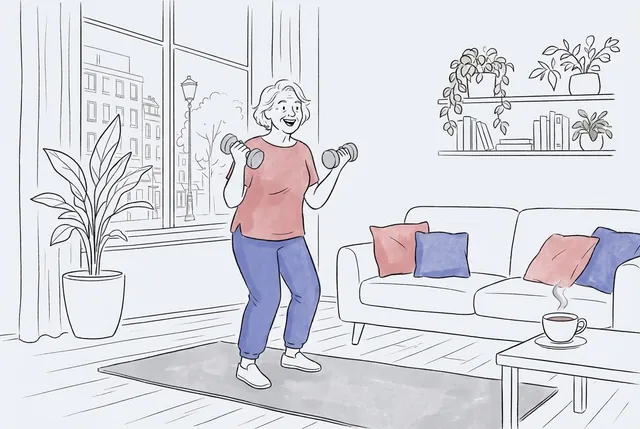
Strong bones: exercises to prevent osteoporosis
What the LIFTMOR trial showed about high-intensity strength and impact training for bone density, why balance exercises prevent falls and how to start safely.
 Physical Activity
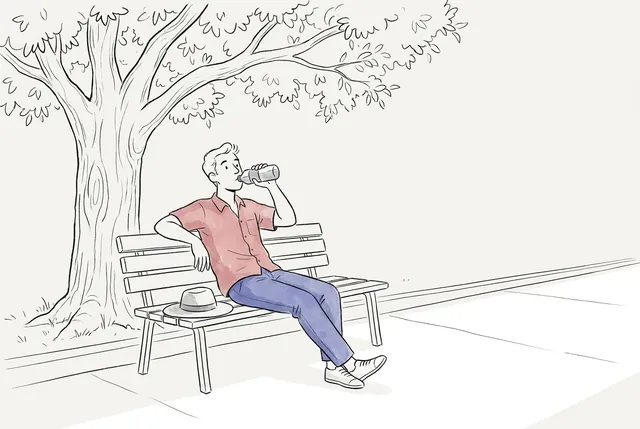
Extreme heat and health: how to avoid overheating
Who is most at risk during heat waves, the signs of heat stroke and what really cools you down: fans, water, shade and changing your schedule.
Myth or factMyth or fact: ab exercises burn belly fat
Can you "spot reduce" fat in one area? What a randomized trial of ab exercises found and what actually reduces abdominal fat.
Quizzes and calculatorsAll quizzes →
IPAQ: International Physical Activity Questionnaire (short)
Calculates your MET-minutes per week and your activity level.
Editorial toolDo you meet the Physical Activity Guidelines? Check
Minutes of moderate and vigorous activity per week, plus strength training.
Validated questionnaire30-second chair stand test (for adults 60+)
How many times can you stand up from a chair in 30 seconds? Compared with CDC norms.
Validated questionnaireAre you at risk of falling? CDC STEADI checklist
12 statements for adults 60 and older.
Editorial toolAre you offsetting your sitting time? Calculator
Based on a meta-analysis of more than a million people (Ekelund et al., 2016).
Editorial toolHow many steps do you need? Your personal goal
A goal based on your age and current activity, from a meta-analysis of 15 cohorts.
Editorial toolShould you check with a doctor before exercising?
A quick self-check before you start vigorous exercise.
Printables (PDF)All printables →
Monthly step tracker
Write down your daily steps and track your progress.
Log15-minute home strength workout + training log
A no-equipment routine with an 8-week rep log.
Card + trackerBalance exercises for adults 60+
A safe balance and leg-strength routine with a 4-week tracker.
Plan4-week activity plan for beginners
A step-by-step one-month plan with check-off boxes.
CardDesk break routine for office and home
A desk card with 5 quick exercises.
LogWeekly activity log based on the guidelines
Count your minutes of moderate and vigorous activity each week.
CardStretching after exercise
A card with 6 stretches for the major muscle groups.
ChallengeChallenge: 30 days of movement
A one-month challenge with activity ideas.