Stretching: benefits, myths and how to do it right
Physical Activity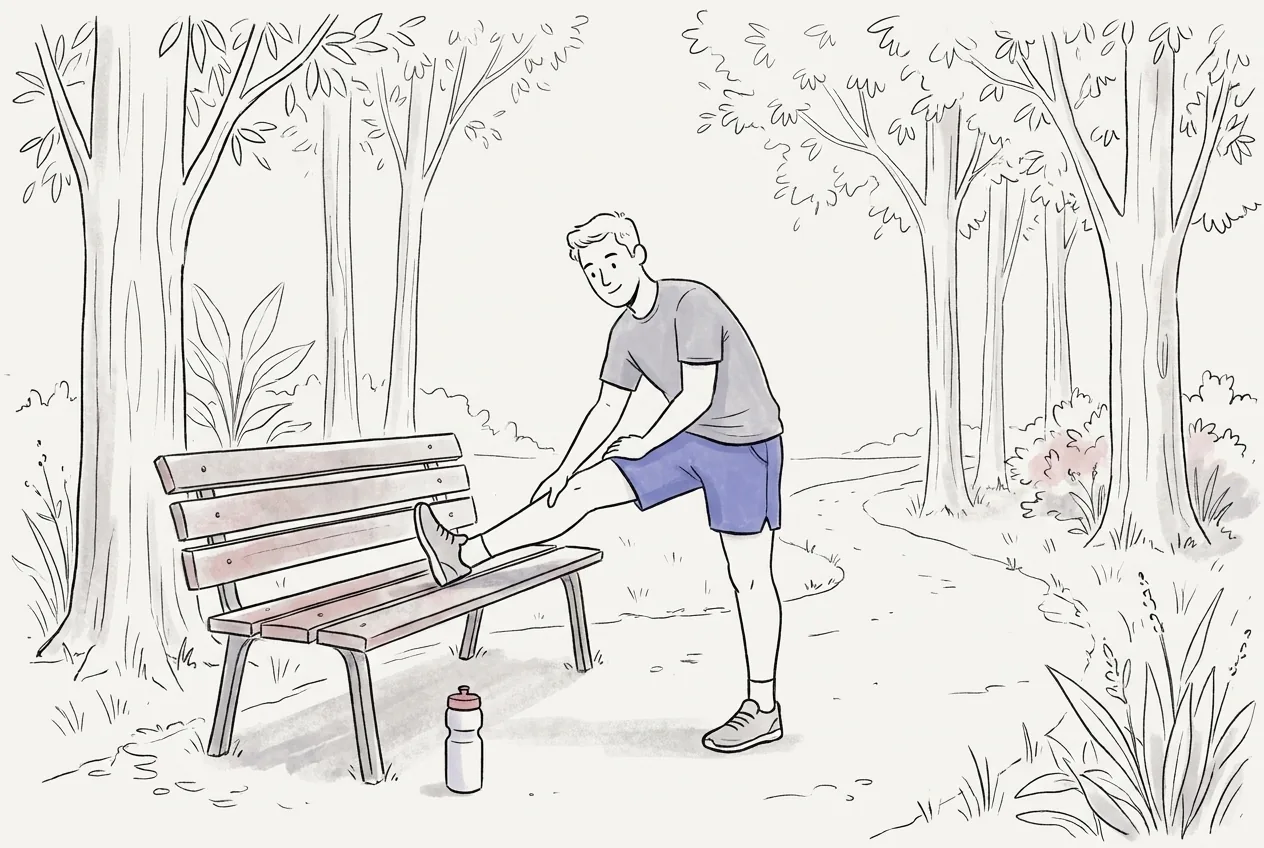
Key points
- Stretching improves range of motion.
- Static stretching under 60 seconds per muscle has little effect on performance; longer holds may reduce it temporarily.
- Overall, stretching does little to prevent injuries, but it may reduce muscle strains in running sports.
- Do a dynamic warm-up before exercise and static stretching afterward.
What the research shows
A systematic review by Behm and colleagues concluded that static stretching of 60 seconds or less per muscle group has little effect on strength, power or speed, while longer stretching can reduce performance temporarily. Including a dynamic warm-up helps offset these effects. Stretching had little overall effect on injury risk but may reduce muscle strain injuries in activities with sprinting (Behm et al., 2016).
Flexibility and aging
Flexibility declines with age, which can make daily tasks harder. Balance and functional exercise programs lower falls in older adults (Sherrington et al., 2019), and flexibility work can be part of them. The guidelines also stress muscle strengthening for all adults (Bull et al., 2020).
How to do it
- Before exercise: 5 to 10 minutes of dynamic movement: arm circles, leg swings, walking lunges, light jogging.
- After exercise or separately: static stretches for the main muscle groups, 10 to 30 seconds each, without bouncing or pain.
- Breathe slowly and relax into the stretch.
Frequently asked questions
Should I stretch before running?
A dynamic warm-up (leg swings, walking lunges, easy jogging) is better than long static holds right before running.
How long should I hold a stretch?
The American College of Sports Medicine suggests holding static stretches for 10 to 30 seconds, repeated 2 to 4 times, at least 2 to 3 days a week.
Sources
- Behm et al. (2016). Acute effects of muscle stretching on physical performance, range of motion, and injury incidence in healthy active individuals: a systematic review. Applied Physiology, Nutrition, and Metabolism 41(1):1-11. doi:10.1139/apnm-2015-0235
- Bull et al. (2020). World Health Organization 2020 guidelines on physical activity and sedentary behaviour. British Journal of Sports Medicine 54(24):1451-1462. doi:10.1136/bjsports-2020-102955
- Sherrington et al. (2019). Exercise for preventing falls in older people living in the community. Cochrane Database of Systematic Reviews 2019(1). doi:10.1002/14651858.CD012424.pub2
Keep reading
Short, intense workouts: HIIT and "exercise snacks"
What meta-analyses show about HIIT and fitness, and why even 1- to 2-minute bursts of vigorous activity during the day are linked to lower mortality.
 Physical Activity
Low back pain: why staying active beats bed rest
Why guidelines recommend staying active for nonspecific low back pain, what Cochrane reviews show about exercise, and when imaging is really needed.
Physical Activity · Myth or factMyth or fact: exercise only counts if you work out for an hour
Is a short workout a waste of time? What studies with objective activity tracking show and why the guidelines dropped the 10-minute minimum.
Related topics from other pillars
Loneliness, hearing loss and dementia: what you can change
What the Lancet Commission found about 12 modifiable dementia risk factors, including social isolation and hearing loss, and practical steps to lower risk.
 Nutrition
Vitamin D: who really needs supplements?
What the VITAL trial and a meta-analysis of 81 randomized trials found about vitamin D supplements, and who may still need them.
 Stress
Tai chi: gentle movement for body and mind
What a BMJ randomized trial found about tai chi for fibromyalgia, how tai chi improves balance and cognition in older adults and how to get started.
Physical Activity tools
IPAQ: International Physical Activity Questionnaire (short)
Calculates your MET-minutes per week and your activity level.
QuizDo you meet the Physical Activity Guidelines? Check
Minutes of moderate and vigorous activity per week, plus strength training.
Quiz30-second chair stand test (for adults 60+)
How many times can you stand up from a chair in 30 seconds? Compared with CDC norms.
PDF · TrackerMonthly step tracker
Write down your daily steps and track your progress.
PDF · Log15-minute home strength workout + training log
A no-equipment routine with an 8-week rep log.
PDF · Card + trackerBalance exercises for adults 60+
A safe balance and leg-strength routine with a 4-week tracker.