Yoga: what is proven for mood and back pain
Physical Activity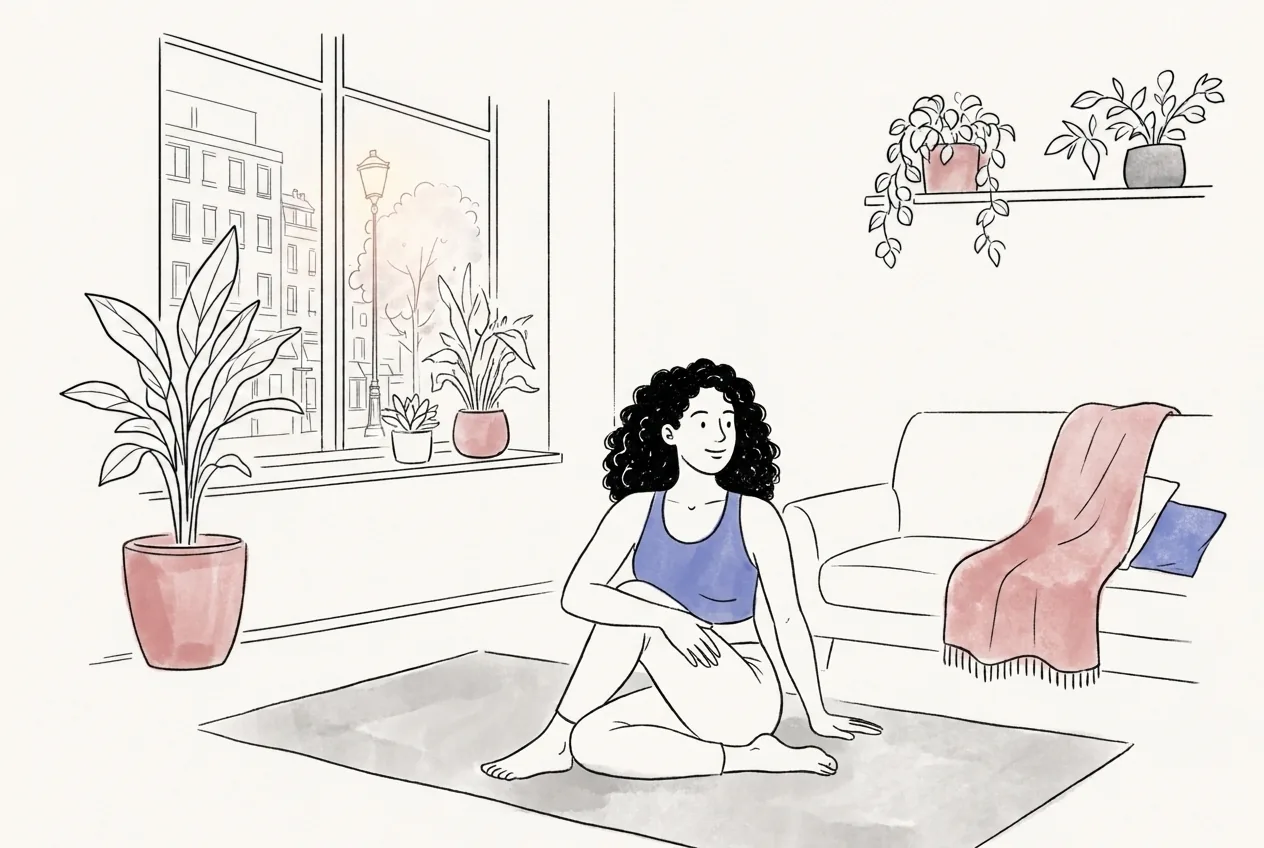
Key points
- Meta-analysis: yoga reduced depressive symptoms in the short term.
- Cochrane: small improvements in pain and function in chronic low back pain.
- Yoga is both exercise and a relaxation practice.
- Start with beginner classes led by a qualified instructor.
What the research shows
Depression. A meta-analysis of 12 randomized trials found that yoga reduced depressive symptoms compared with usual care, relaxation and aerobic exercise in the short term, although the quality of the studies was limited (Cramer et al., 2013). A network meta-analysis of exercise for depression also ranked yoga among the more effective forms of exercise (Noetel et al., 2024).
Low back pain. A Cochrane review of 21 trials found low- to moderate-certainty evidence that yoga produces small improvements in pain and function in chronic low back pain compared with no exercise (Wieland et al., 2022). The American College of Physicians lists yoga among first-line nondrug treatments for chronic low back pain.
Why yoga may work
- It builds strength, flexibility and balance.
- Slow breathing and focused attention calm the stress response.
- It is easy to adapt to different ages and fitness levels.
How to start
- Try a beginner or gentle class with a certified instructor.
- Tell the instructor about any health conditions.
- Practice regularly, even 15 minutes at home on other days.
Frequently asked questions
Which style of yoga is best for beginners?
Gentle hatha or restorative yoga classes are good starting points. Avoid hot yoga at first.
How often should I practice?
Most studies used sessions of 60 to 90 minutes once or twice a week for 8 to 12 weeks.
Sources
- Cramer et al. (2013). YOGA FOR DEPRESSION: A SYSTEMATIC REVIEW AND META-ANALYSIS. Depression and Anxiety 30(11):1068-1083. doi:10.1002/da.22166
- Wieland et al. (2022). Yoga for chronic non-specific low back pain. Cochrane Database of Systematic Reviews 2022(11). doi:10.1002/14651858.CD010671.pub3
- Noetel et al. (2024). Effect of exercise for depression: systematic review and network meta-analysis of randomised controlled trials. BMJ 384:e075847. doi:10.1136/bmj-2023-075847
Keep reading
 Physical Activity
Low back pain: why staying active beats bed rest
Why guidelines recommend staying active for nonspecific low back pain, what Cochrane reviews show about exercise, and when imaging is really needed.
 Physical Activity
Biking and walking to work: active commuting and health
What a UK study of more than 260,000 commuters found about cycling and walking to work, heart disease and mortality, and how to start safely.
 Physical Activity
Stretching: benefits, myths and how to do it right
Does stretching prevent injuries? What a systematic review found about static stretching, performance and injury risk, and how to warm up properly.
Physical Activity tools
IPAQ: International Physical Activity Questionnaire (short)
Calculates your MET-minutes per week and your activity level.
QuizDo you meet the Physical Activity Guidelines? Check
Minutes of moderate and vigorous activity per week, plus strength training.
Quiz30-second chair stand test (for adults 60+)
How many times can you stand up from a chair in 30 seconds? Compared with CDC norms.
PDF · TrackerMonthly step tracker
Write down your daily steps and track your progress.
PDF · Log15-minute home strength workout + training log
A no-equipment routine with an 8-week rep log.
PDF · Card + trackerBalance exercises for adults 60+
A safe balance and leg-strength routine with a 4-week tracker.