Walking after meals: an easy way to lower blood sugar
Physical Activity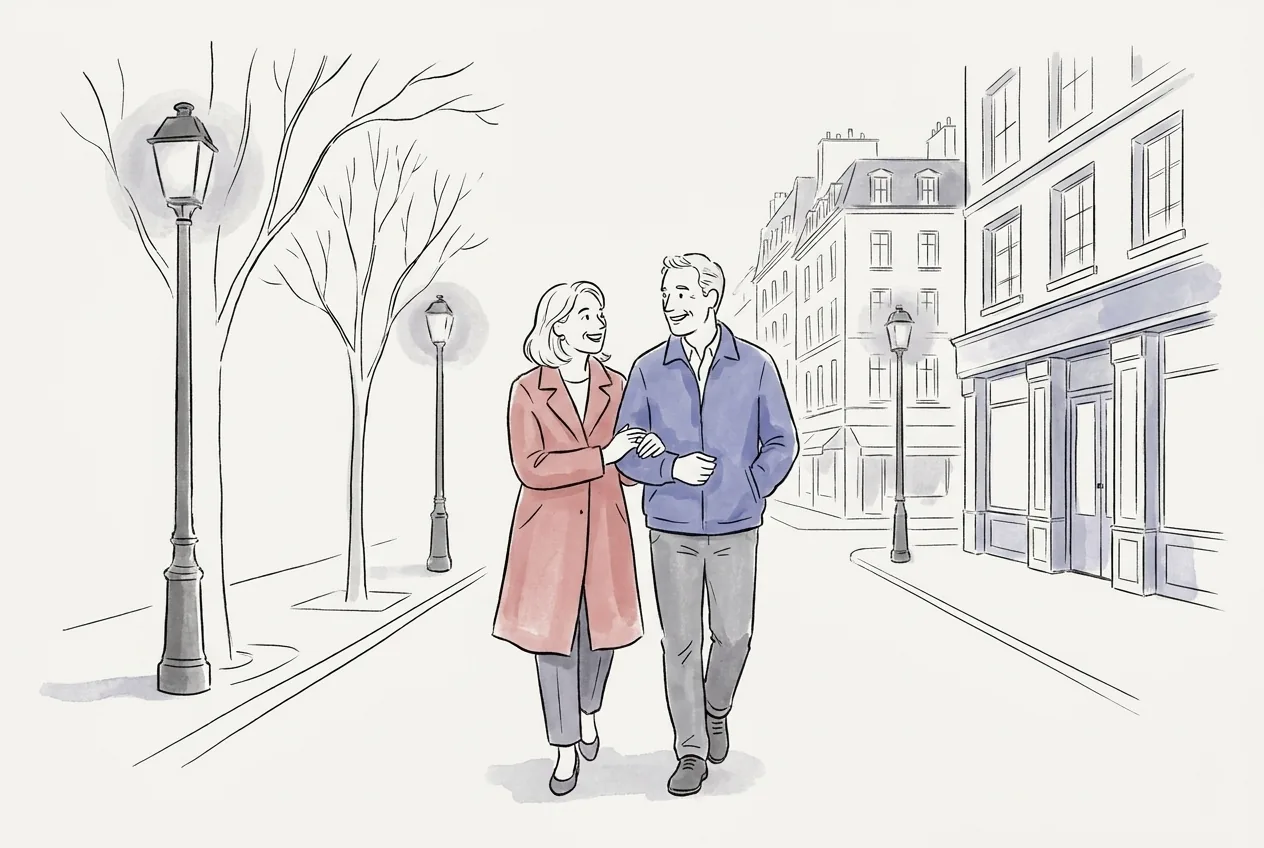
Key points
- 3 × 15 minutes after meals controlled daily glucose as well as one 45-minute walk.
- A walk after dinner was especially effective.
- Light walking breaks lower post-meal glucose and insulin.
- A good habit for people with prediabetes and type 2 diabetes.
What the research shows
Three short walks. In a small randomized crossover study, older adults with prediabetes walked on a treadmill either for 15 minutes after each meal or for 45 minutes once a day. The three short walks improved 24-hour blood sugar control as well as the single long walk, and the walk after dinner was more effective at lowering blood sugar in the evening and overnight (DiPietro et al., 2013).
Walking breaks. A systematic review and meta-analysis found that breaking up prolonged sitting with short bouts of light walking significantly lowered post-meal glucose and insulin compared with uninterrupted sitting (Buffey et al., 2022).
Guidelines. The American Diabetes Association recommends interrupting sitting every 30 minutes with light activity for people with or at risk of type 2 diabetes (Colberg et al., 2016).
In practice
- Walk for 10 to 15 minutes after your largest meal of the day, usually dinner.
- If you work at a desk, stand up and walk for 2 to 5 minutes every 30 to 60 minutes.
- Walk with family or a neighbor after dinner to make it a habit.
Frequently asked questions
How soon after eating should I walk?
Studies typically started within about 15 to 30 minutes after the meal, when blood sugar begins to rise.
Does it have to be a long walk?
No. Even 2 to 5 minutes of light walking interrupting sitting lowered post-meal glucose in studies.
Sources
- DiPietro et al. (2013). Three 15-min Bouts of Moderate Postmeal Walking Significantly Improves 24-h Glycemic Control in Older People at Risk for Impaired Glucose Tolerance. Diabetes Care 36(10):3262-3268. doi:10.2337/dc13-0084
- Buffey et al. (2022). The Acute Effects of Interrupting Prolonged Sitting Time in Adults with Standing and Light-Intensity Walking on Biomarkers of Cardiometabolic Health in Adults: A Systematic Review and Meta-analysis. Sports Medicine 52(8):1765-1787. doi:10.1007/s40279-022-01649-4
- Colberg et al. (2016). Physical Activity/Exercise and Diabetes: A Position Statement of the American Diabetes Association. Diabetes Care 39(11):2065-2079. doi:10.2337/dc16-1728
Keep reading
 Physical Activity
Knee osteoarthritis: exercise is the foundation of treatment
Why exercise is first-line treatment for knee osteoarthritis, what a Cochrane review and a NEJM trial of nonsurgical care found, and simple knee exercises.
Physical Activity"Weekend warriors": is exercising only on weekends good for you?
What a study of more than 63,000 adults found about getting all your weekly exercise in one or two sessions, and why sitting still matters.
Physical ActivityExercise and sleep: how physical activity helps you sleep
What a meta-analysis of 66 studies found about exercise, sleep duration and sleep quality, and whether evening workouts keep you awake.
Physical Activity tools
IPAQ: International Physical Activity Questionnaire (short)
Calculates your MET-minutes per week and your activity level.
QuizDo you meet the Physical Activity Guidelines? Check
Minutes of moderate and vigorous activity per week, plus strength training.
Quiz30-second chair stand test (for adults 60+)
How many times can you stand up from a chair in 30 seconds? Compared with CDC norms.
PDF · TrackerMonthly step tracker
Write down your daily steps and track your progress.
PDF · Log15-minute home strength workout + training log
A no-equipment routine with an 8-week rep log.
PDF · Card + trackerBalance exercises for adults 60+
A safe balance and leg-strength routine with a 4-week tracker.